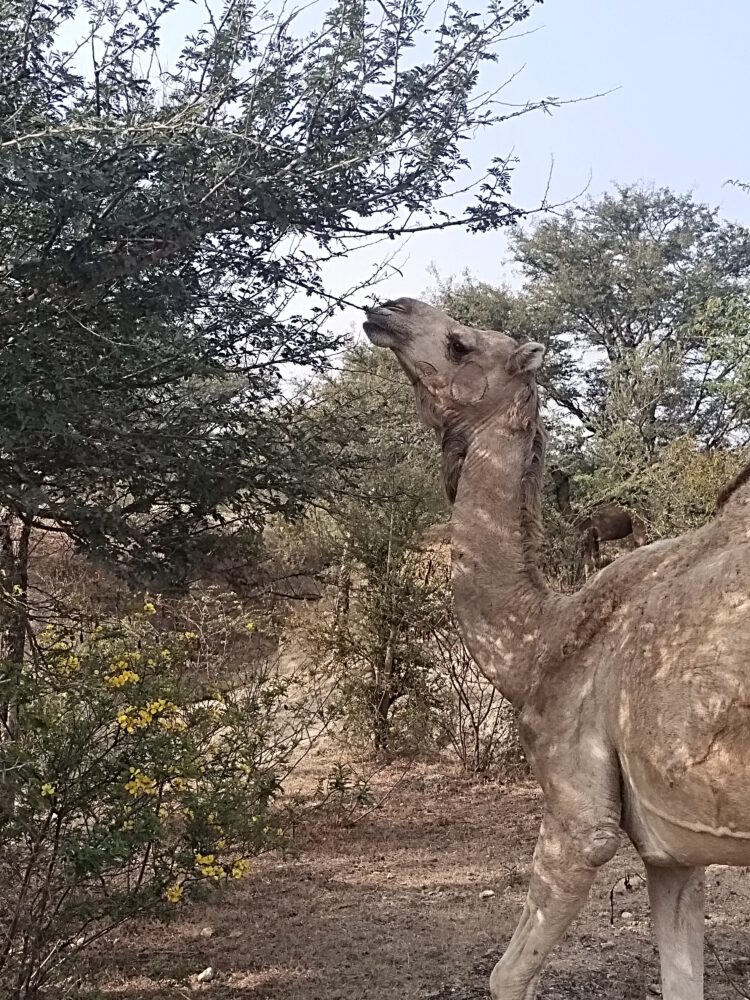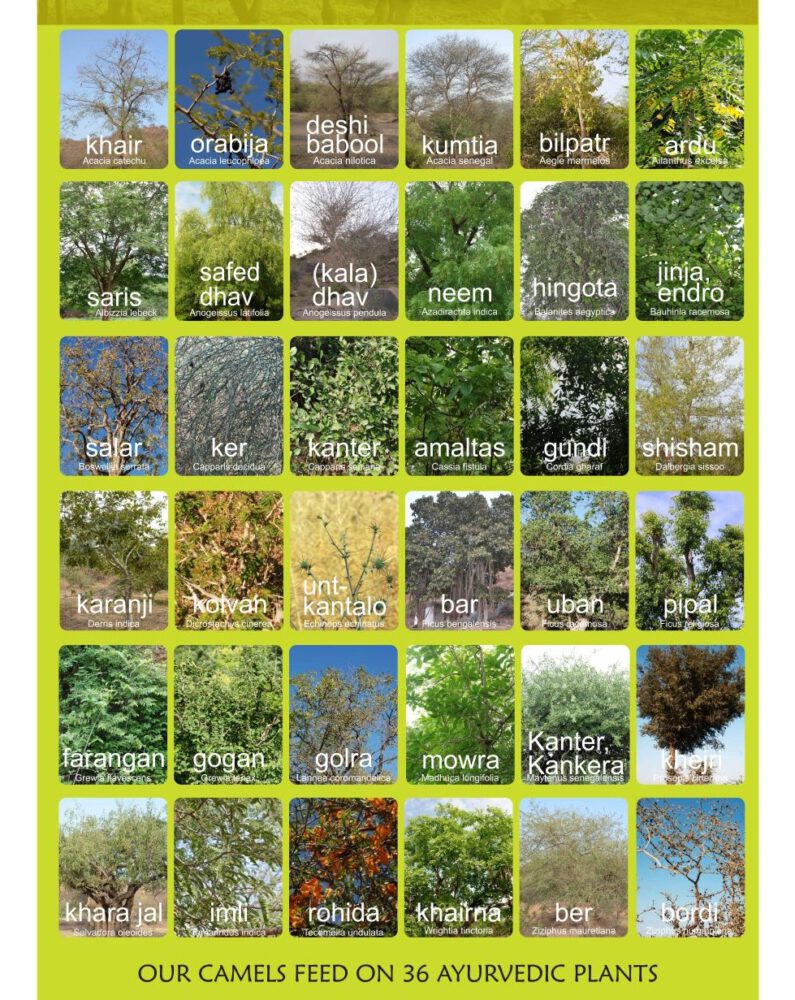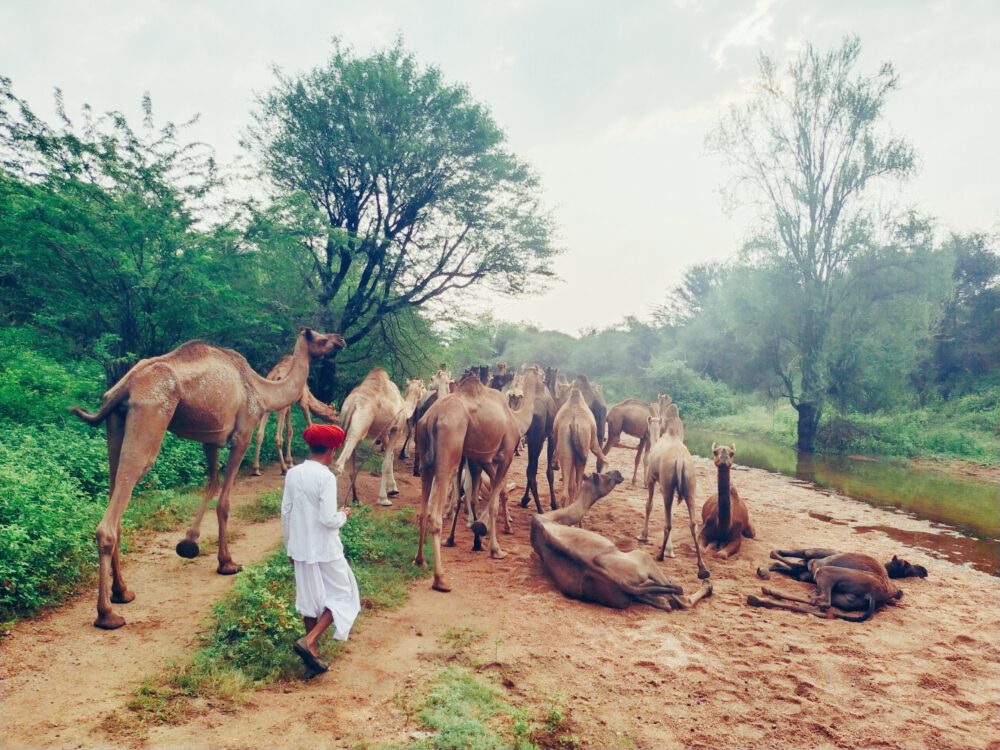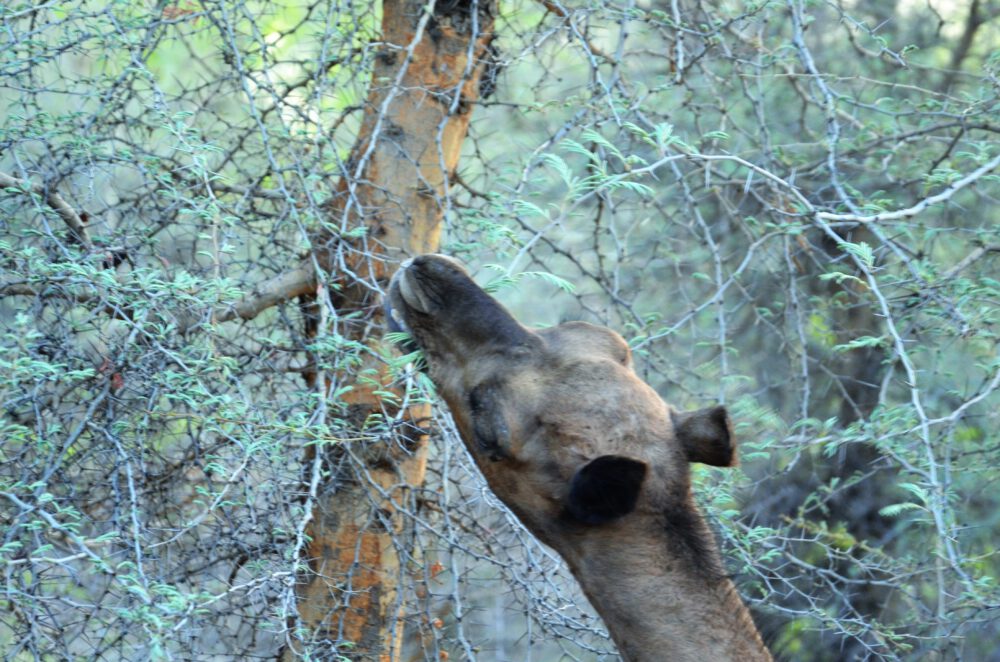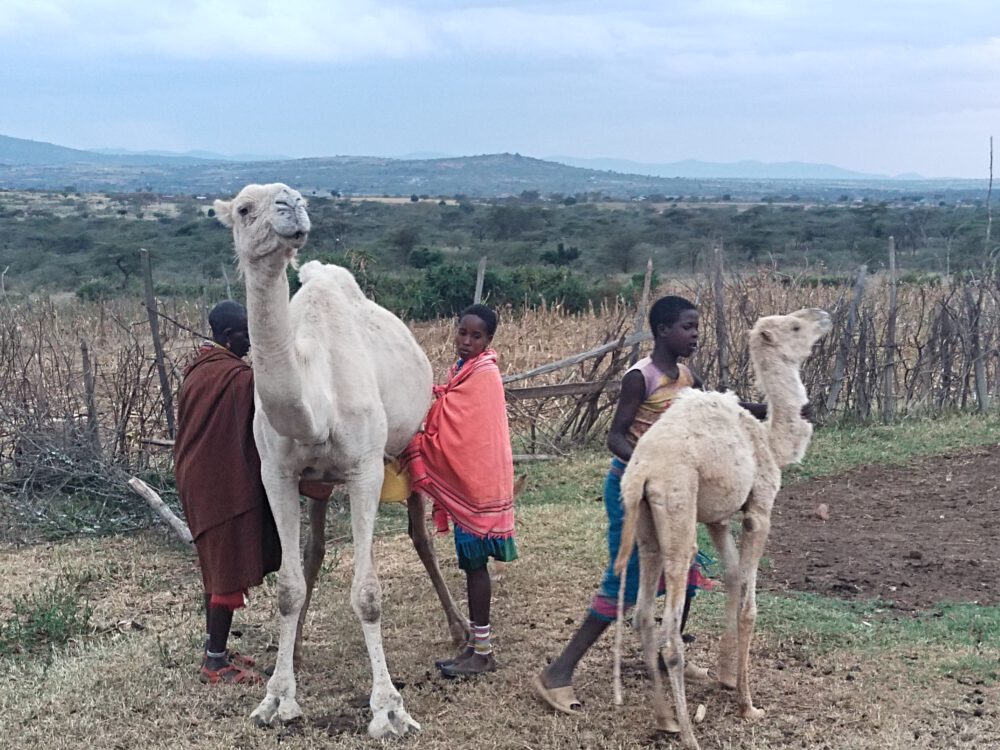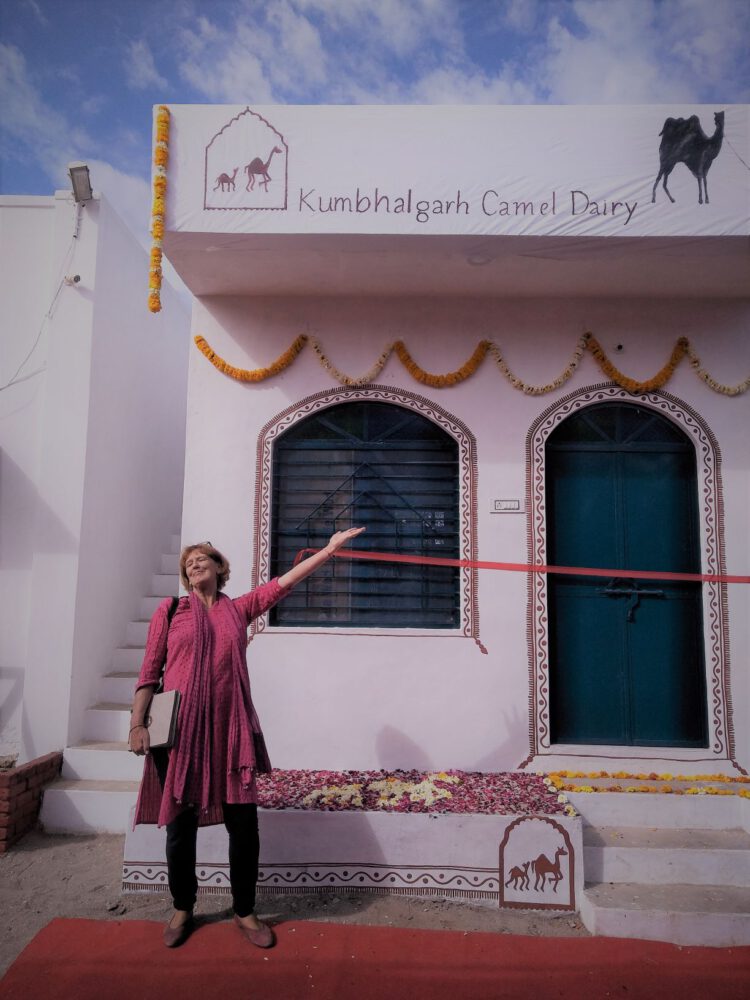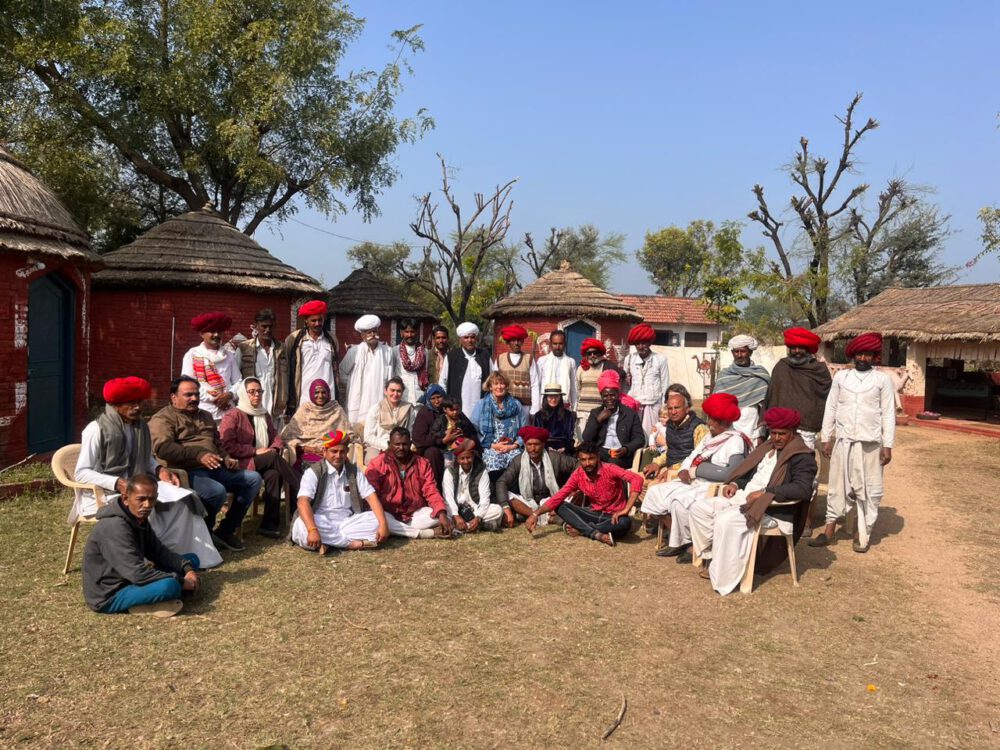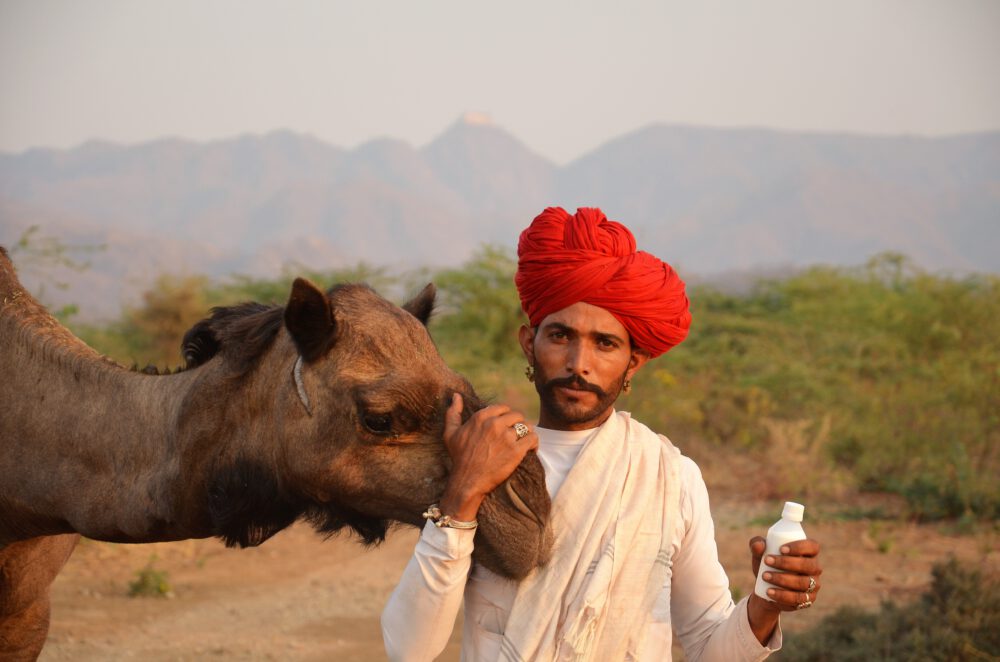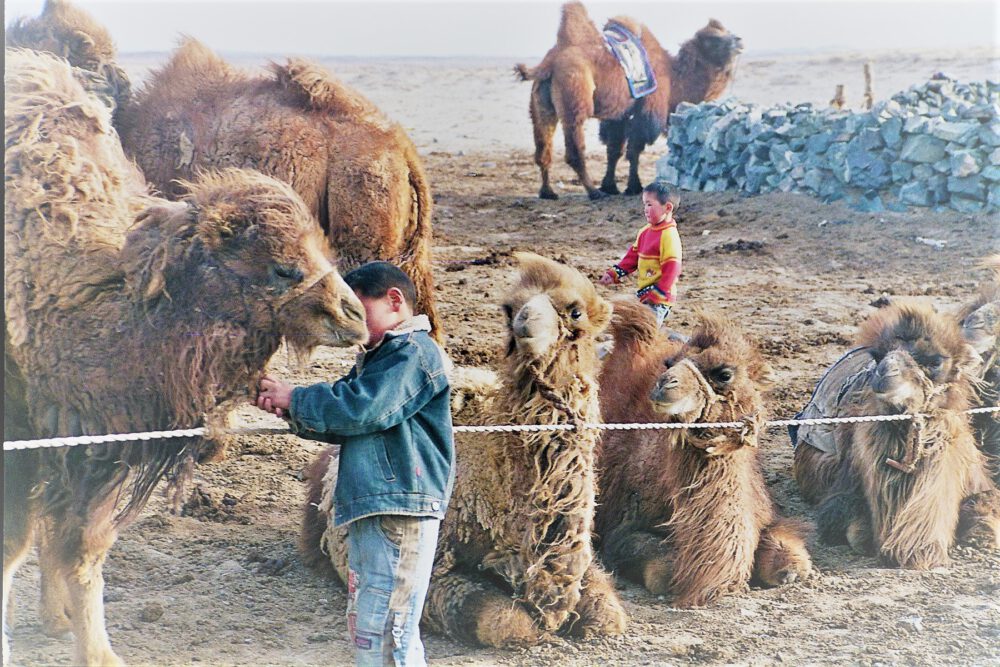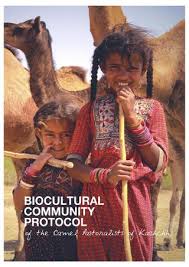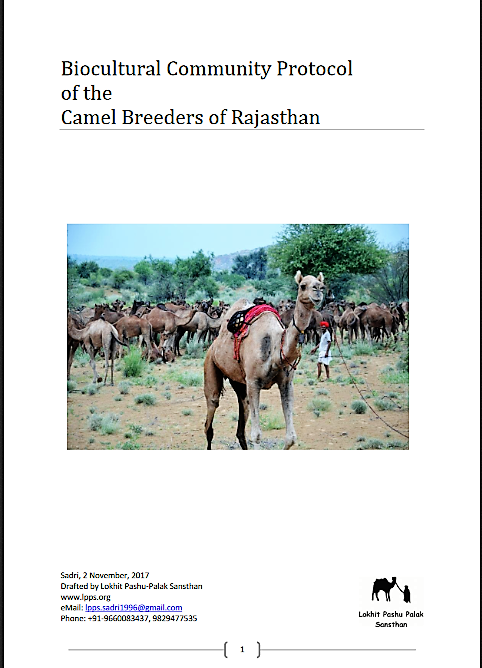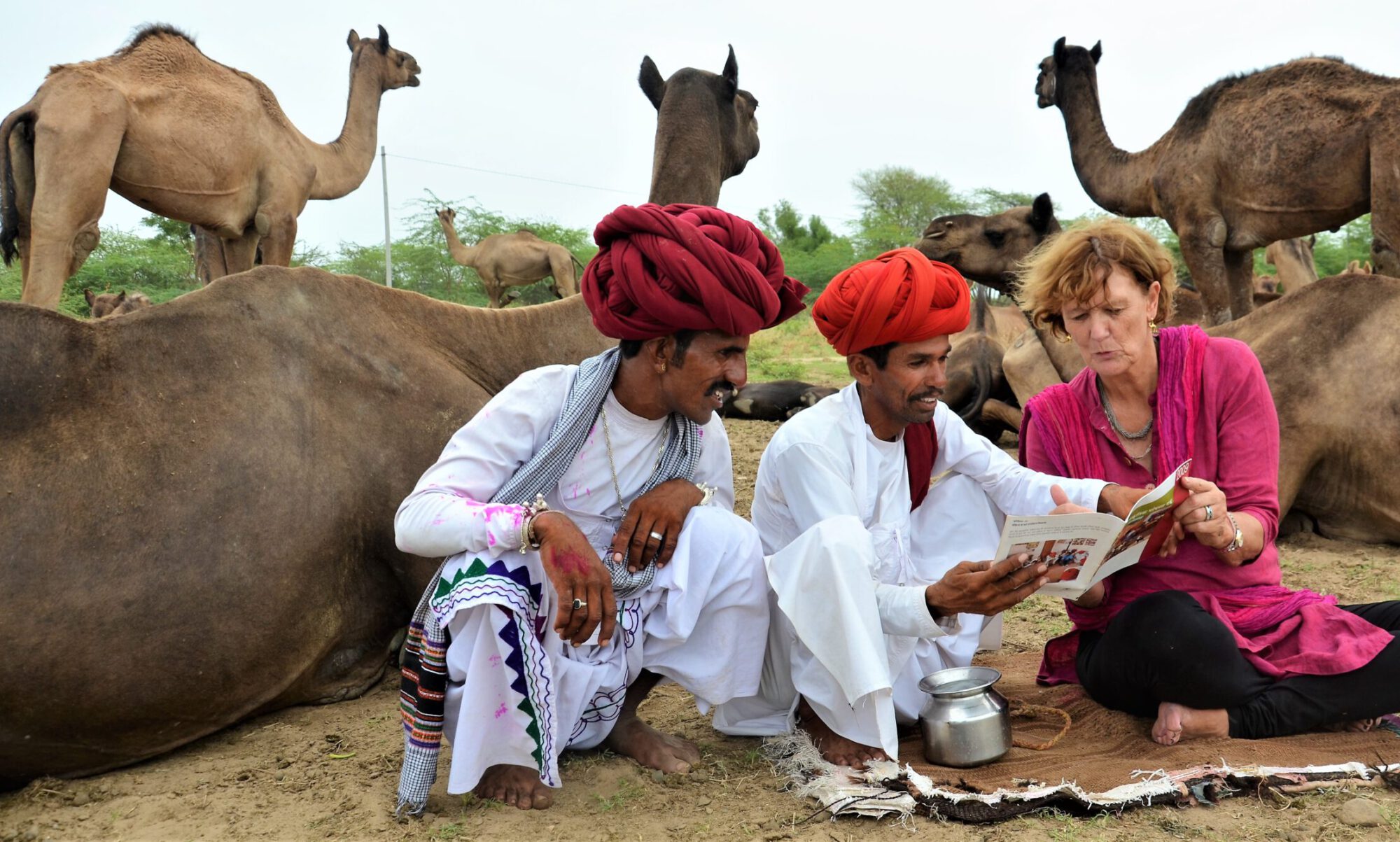
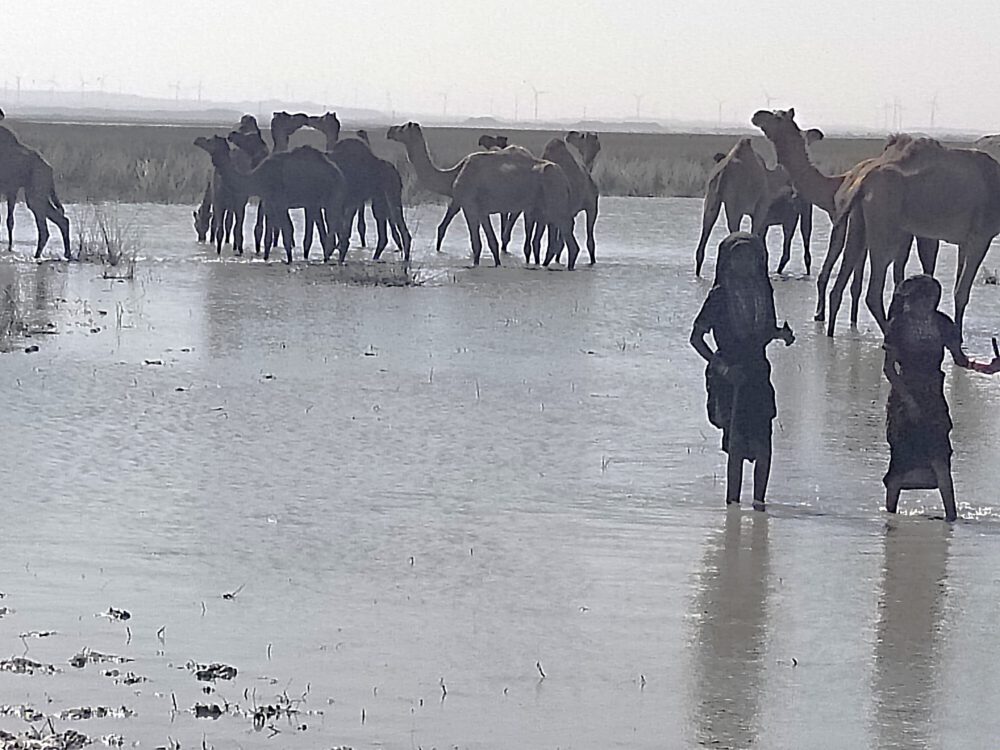
What better way to start the International Year of Rangelands and Pastoralists than by visiting the camel herders of Kutch in Gujarat! The occasion was an invitation to attend a National Consultation on Conserving the Kharai Camel and its Mangrove Ecosystem organized by the Kutchi Camel Breeders Association (KUUMS) and Sahjeevan, a support NGO. The Kharai camels are popularly known as the ‘swimming camels’ as they seasonally forage on the mangroves that once blanketed the coastal areas of the state. Their population has declined in recent years, due to both environmental and economic factors, as is set out in the Biocultural Community Protocol of the Camel Breeders of Kutch. The mangroves are disappearing due to rapid industrial development, not due to grazing by camels, as is often alleged. Camels, in fact, support the regrowth of mangroves according to both traditional knowledge and scientific evidence that was presented at the National Consultation by Lyla Mehta who has conducted long-term research in the area.
Income opportunities habve also reduced. It has been difficult to connect the Kharai camel breeders to the milk market. In addition, the sale of male camels for carrying loads is problematic because of animal welfare activists who try to prevent this and regularly confiscate camels that are taken to Maharashtra.
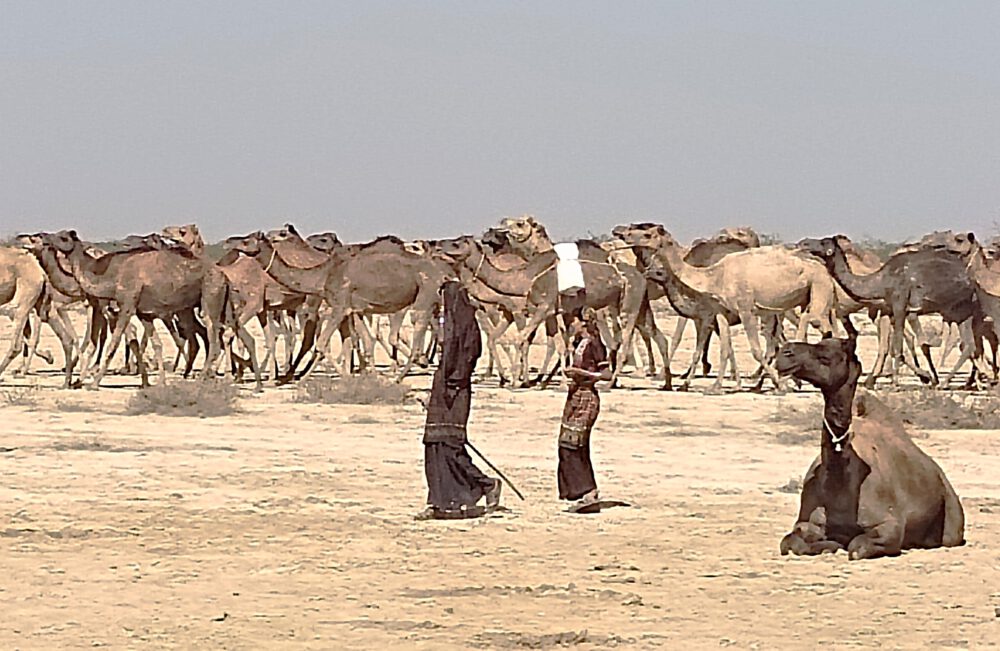
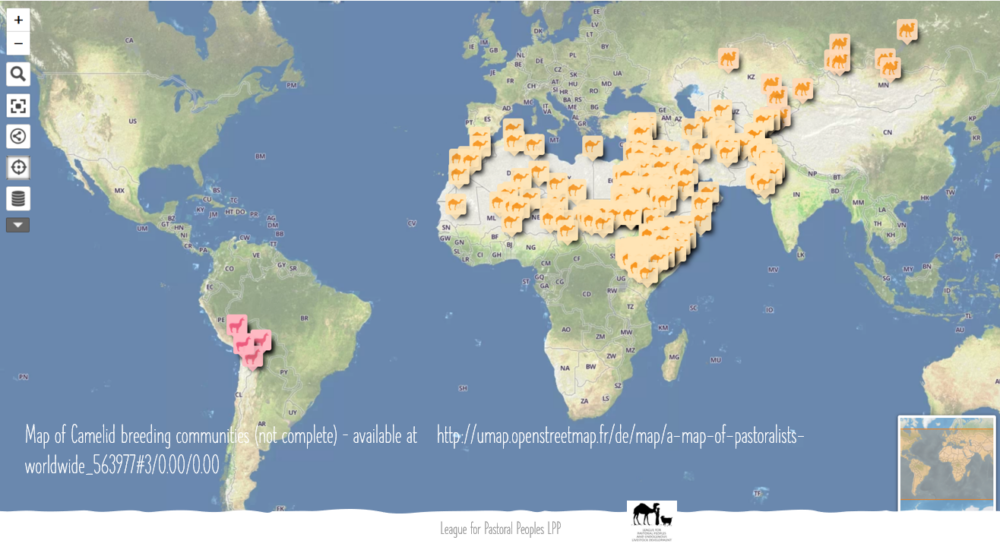
Swimming camels are often said to be unique to Kutch, however they exist elsewhere too. Across the border in Pakistan, camels also forage in mangroves, as they do in southern Iran on the island of Qeshm, in Ras al Khaimah in the United Arab Emirates (Raziq Kakar, pers. comm.), and on the Red Sea Coast in Sudan and Somalia.
Seeing this close connection between camels and the sea, reminded me that the first written reference to the dromedary camel is in cuneiform texts dated to 1300 BC in which they are named ‘donkey of the sea’. Donkeys were already domesticated in the 5th millenium BC in Northeast Africa and before the camel was tamed , they represented the only means of transportation in this part of the world.. So clearly, the camel is associated not only with deserts but also the Sea.
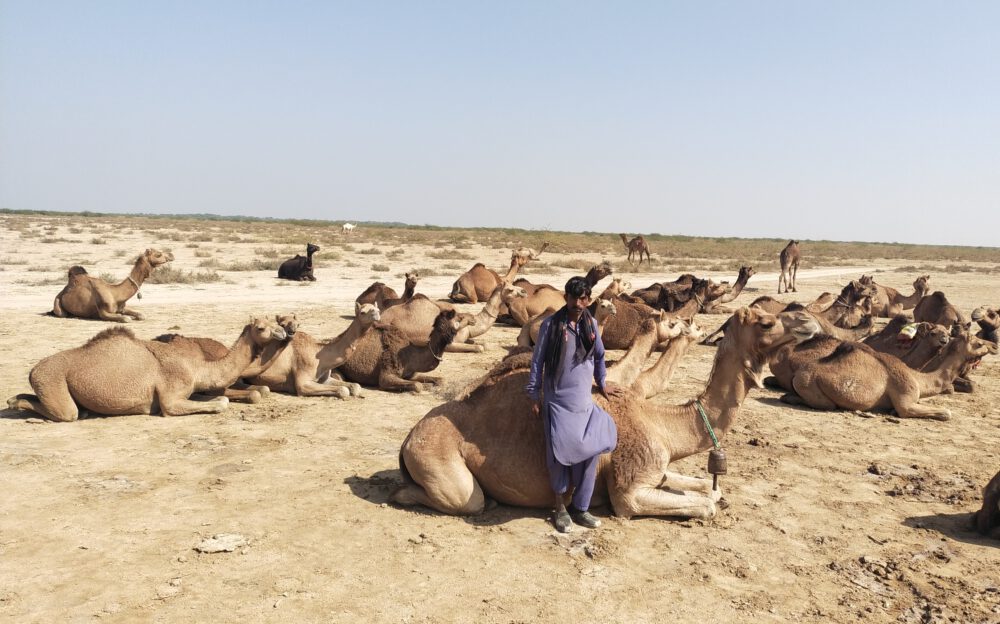
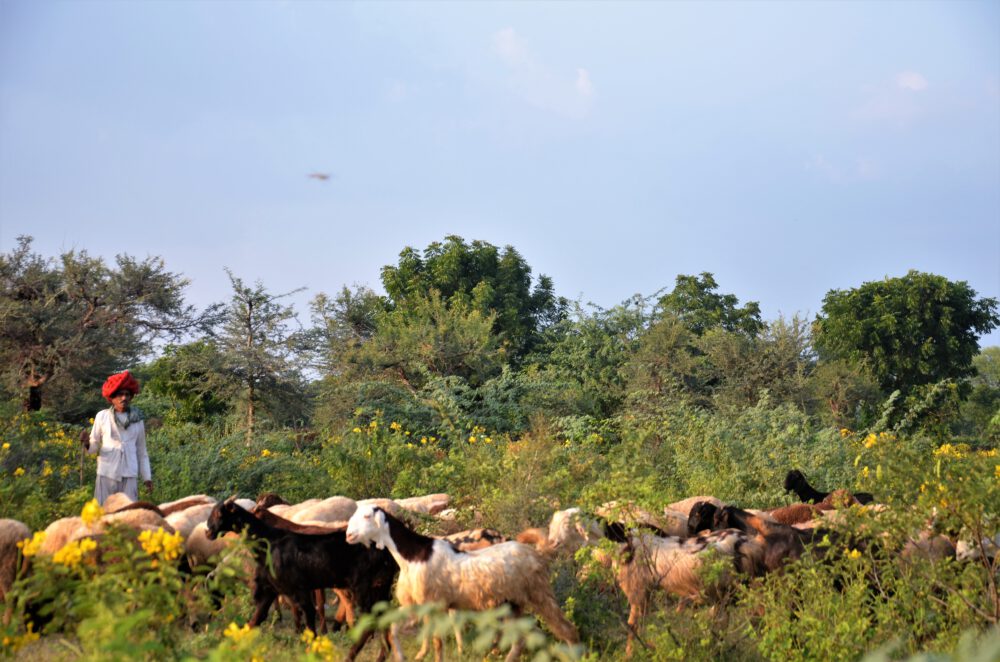
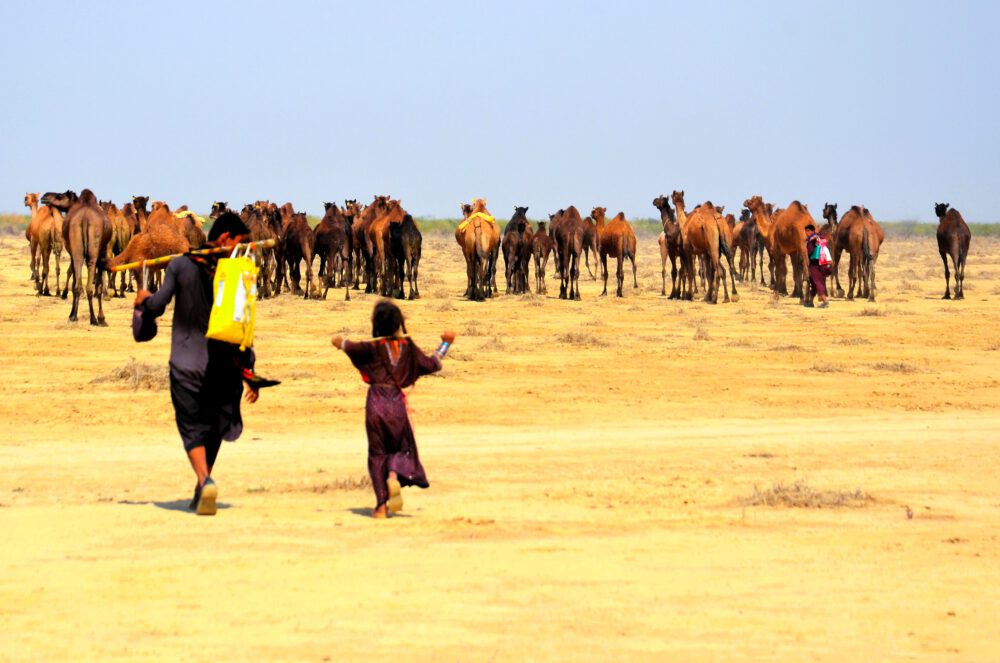
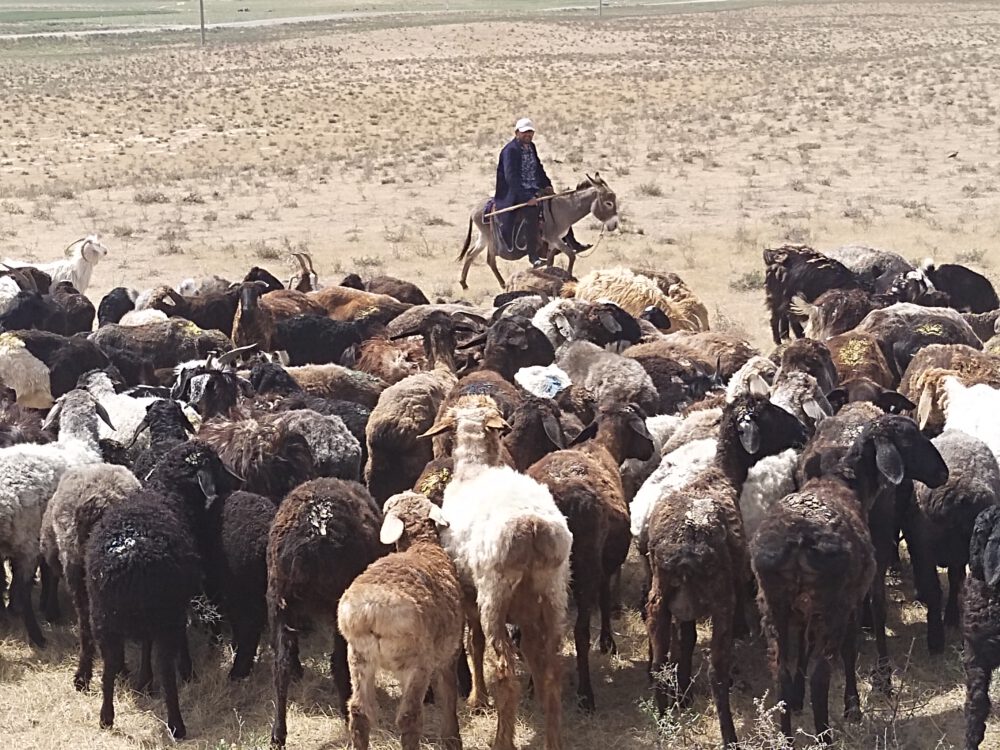
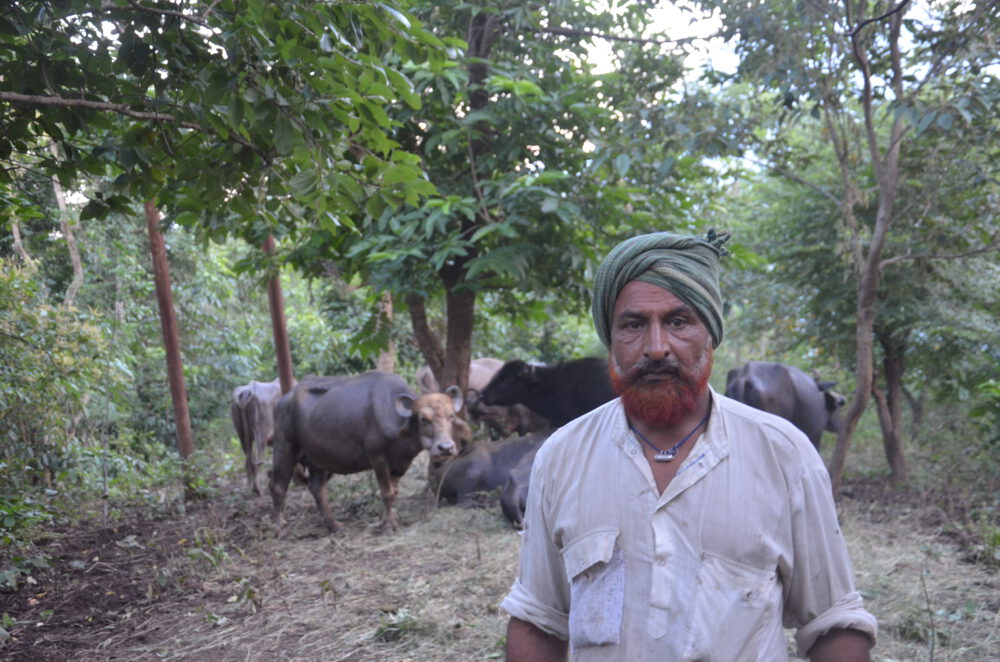
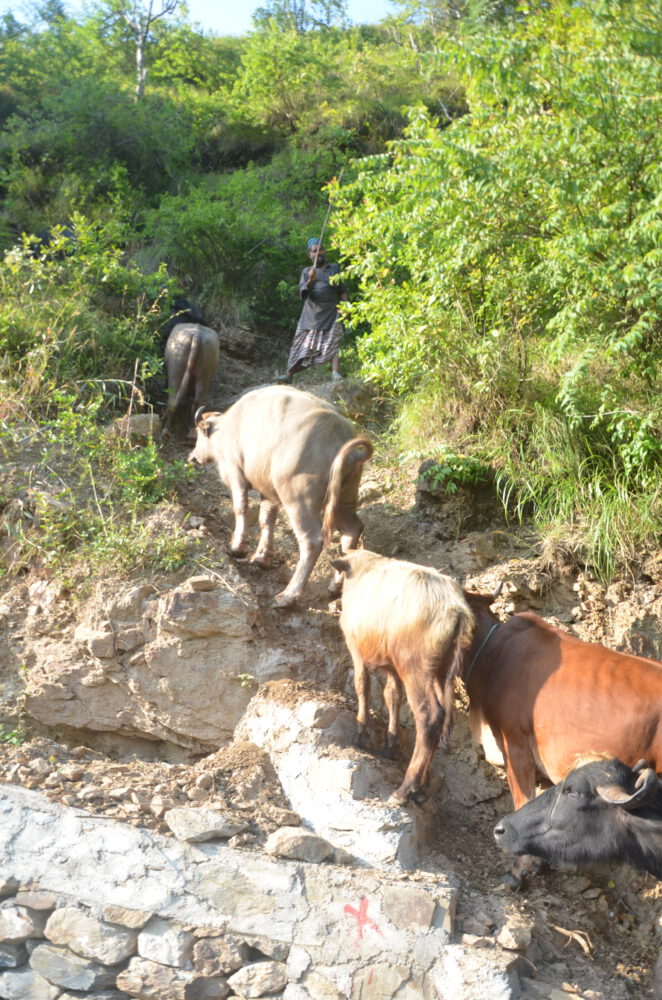
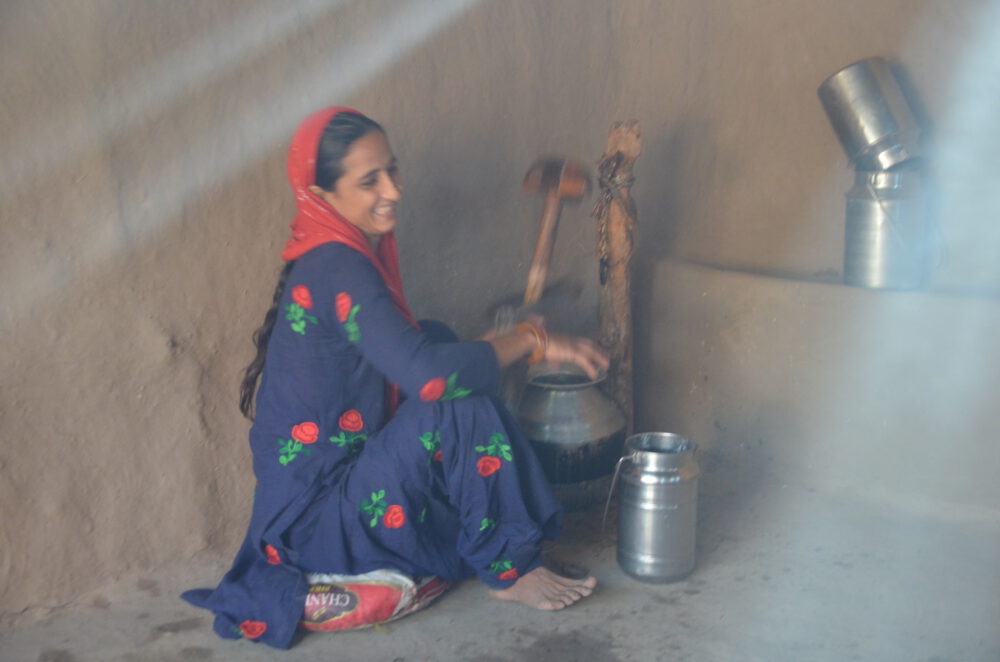
But back to the camels in Kutch and our field trip. It took some time to get out of the urban sprawl and past unending seeming fields of Prosopis juliflora as well as industrial areas, but once we reached the open spaces it was wonderful and one could again breathe freely and relax. Observing happy herds of sheep, goats, cattle and camels moving through the landscape made me happy. The best part was to meet Fakirani Jat herder Gulmohammed and his two daughters who made tea for us from fresh camel milk. Thank God, such people and spaces and free-ranging animals still exist! During this special year 2026, the International Year of Rangelands and Pastoralists, we must to everything to raise awareness and change policies in favour of pastoralists and work towards ALL farm animals to be kept on the land and in tune with Planetary Boundaries, rather than in industrial settings!
 Follow